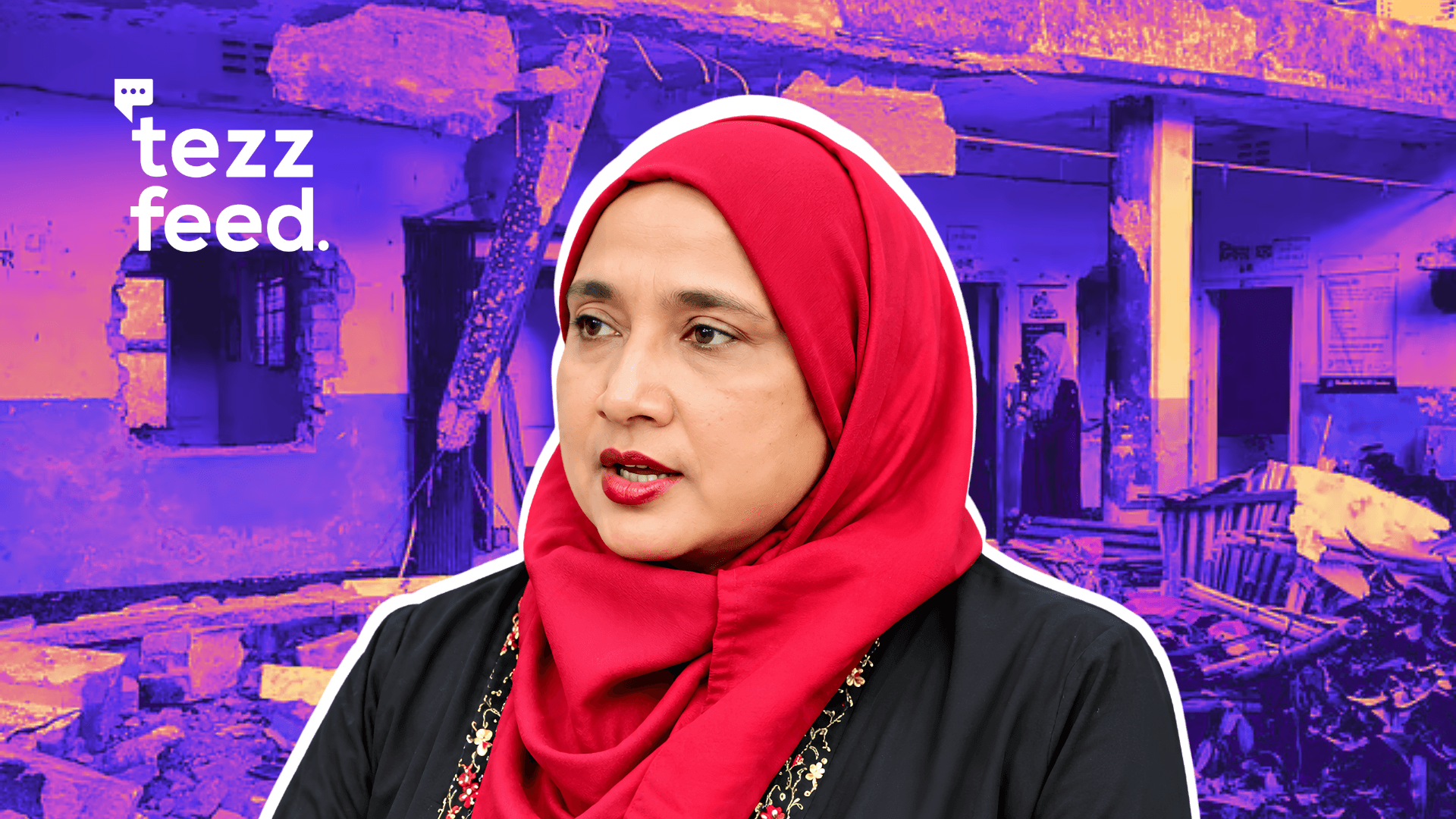
Halima Haque, a student of the Electrical and Electronic Engineering (Triple-E) Department at Independent University, Bangladesh (IUB), has developed an AI-based forecasting model to enhance Dhaka's power supply system and reduce load shedding.
Her model predicts power demand, ensuring efficient distribution, particularly during peak summer periods, and optimizing renewable energy usage. Conducted under the guidance of Professor Dr. Md. Abdur Razzak, her research analyzed over 6.5 million data points from DESCO (2020-2023), covering residential, commercial, and industrial consumption patterns while considering factors like weather and tariff structures.
Halima's study tested five machine learning models—K-Nearest Neighbors, Random Forest, Light Gradient Boosting Model, Extreme Gradient Boosting, and Multiple Linear Regression. The findings were presented at iTripleE conferences in the Maldives and Thailand and published in the iTripleE Transactions on Industry Applications journal.
She emphasized that accurate demand forecasting could improve electricity distribution, minimize load shedding, and enhance renewable energy management. Professor Razzak highlighted the study’s significance in modernizing Bangladesh’s power system, stating that machine learning could provide insights for better policies, leading to a more stable and sustainable power supply.