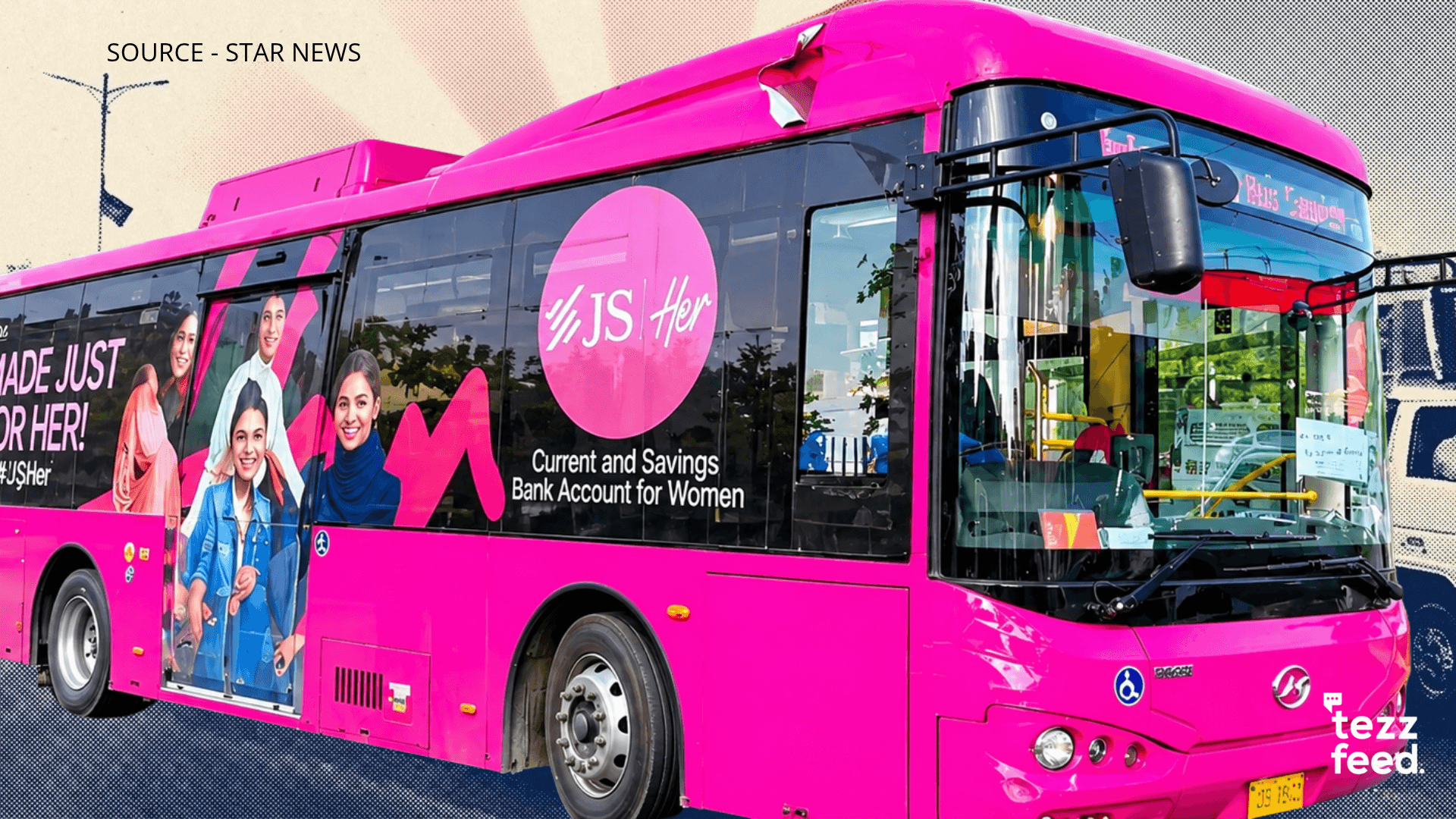
Pakistan is expanding women-only pink bus services in several cities as authorities step up efforts to provide safer, more comfortable and accessible public transportation for female commuters.
The initiative comes amid growing concerns over harassment, overcrowding and safety challenges faced by women travelling on public transport. By introducing dedicated buses, provincial governments aim to encourage more women to use public transportation without fear of harassment or unwanted attention.
The pink bus initiative is not entirely new to Pakistan. Karachi introduced its women-only Pink Bus Service in February 2023, becoming the first city in Sindh province to launch such a service. The initial fleet consisted of six air-conditioned buses operating between Frere Hall and Clifton Bridge. The service was designed to offer women a more secure commuting experience, particularly during busy hours. However, the initiative has since gained momentum in other parts of the country, with authorities introducing similar services in different cities.
In September 2026, Khyber Pakhtunkhwa Chief Minister Mohammad Sohail Afridi inaugurated a dedicated pink bus service for women in Peshawar as part of efforts to improve the city's Bus Rapid Transit (BRT) network. The service initially began with five buses operating on selected routes during peak hours. One of its notable features is a 25 per cent reduction in fares for female passengers compared with regular buses. The inauguration also included the introduction of 52 new hybrid buses, increasing Peshawar's BRT fleet to 296 vehicles. The transport system serves approximately 250,000 passengers daily, with women accounting for around 30 per cent of commuters. The provincial government has indicated that the pink bus service will gradually expand to additional routes.
Balochistan introduced its Pink Bus Service in Quetta in January 2026, targeting women and female students. Chief Minister Mir Sarfraz Bugti described the initiative as an important step towards improving women's access to education, employment and healthcare.
He also announced plans to expand the service to other districts of the province, emphasising the importance of maintaining it as a permanent public transport facility. Women in Pakistan frequently encounter difficulties while using conventional public transportation, including harassment, inappropriate behaviour and overcrowding. These problems can discourage women from travelling independently, accessing employment opportunities and participating in public life.
Dedicated women-only buses are intended to address some of these challenges by providing a more comfortable environment for female passengers. Earlier experiences in Karachi demonstrated the demand for such services, with women commuters welcoming the opportunity to travel without the constant concern of harassment.
However, the long-term success of the initiative will depend on more than simply introducing pink-coloured buses. Regular services, sufficient routes, affordable fares, proper maintenance and effective security arrangements will be essential.
Pakistan's expansion of women-only public transport reflects a broader effort to improve women's mobility and independence. If properly maintained and extended, these services could make everyday commuting easier for thousands of women and girls across the country.