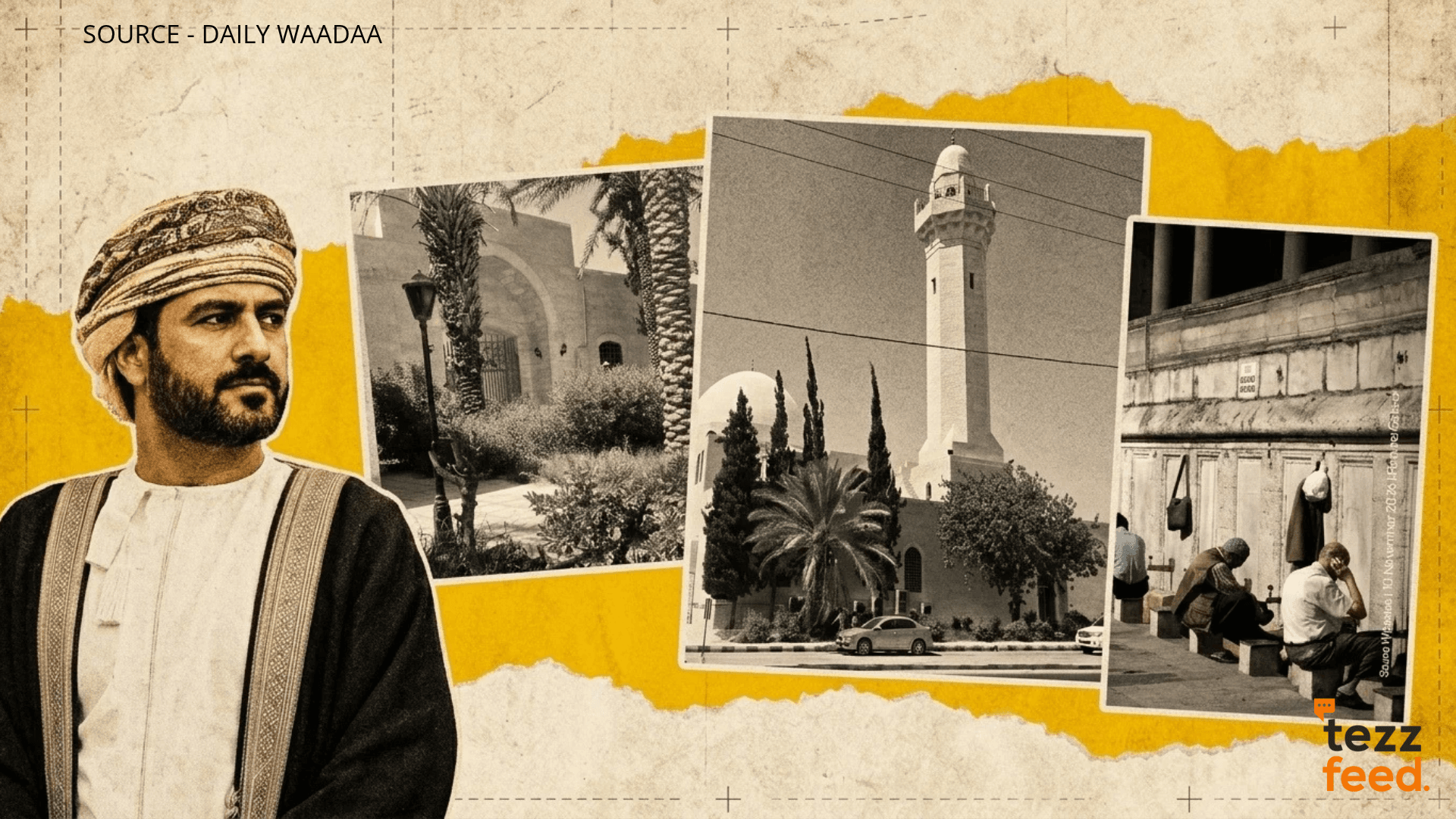
In a country struggling with severe water scarcity, a mosque in Jordan has introduced an innovative environmental initiative by recycling water used for ablution to irrigate trees and plants. The initiative demonstrates how religious institutions can contribute to sustainable water management.
The Abu Obeida Mosque, located in Deir Alla in the Balqa Governorate, west of Amman, has transformed its surroundings into a green oasis by collecting, treating, and reusing wastewater generated during the Islamic ritual of ablution, known as Wudu. Surrounded by an otherwise dry and arid landscape, the mosque now features green trees, shrubs, and flowerbeds that receive water through a drip irrigation system.
Water scarcity is one of Jordan's most pressing environmental challenges. The country receives only around 61 cubic metres of renewable freshwater per person annually, far below the United Nations' absolute water scarcity threshold of 500 cubic metres. With municipal water supplies rationed in many areas, households often receive piped water for only a limited number of hours each week. Under these circumstances, conserving and reusing available water has become increasingly important.
Recognising this challenge, the Jordanian Aqua Conservation Association (JACA) developed a system to collect wastewater from mosque ablution facilities before it enters the drainage network. At Abu Obeida Mosque, specially installed pipes beneath the ablution area transport the used water to a treatment unit. The water then passes through five layers of gravel and sand, allowing impurities to settle and be filtered out. Following this natural treatment process, the recycled water is redirected through drip irrigation pipes to nourish the mosque's gardens. According to Ahmed al-Rawsan, founder of JACA, the absence of soap during the ablution process makes this water relatively easier to treat and reuse for irrigation.
The initiative carries significance beyond its technical achievements. It demonstrates how religious values can be translated into practical environmental action. Islam places considerable emphasis on cleanliness, moderation, and avoiding waste. By introducing a system that reuses water from ablution, the mosque is putting the principle of responsible resource consumption into practice. The initiative also sends an important message to worshippers, that conserving natural resources is not simply a government responsibility but a shared duty that individuals and communities can embrace.
Mosques, which serve as important centres of religious and community life, have considerable potential to promote environmental awareness. Through sermons, educational programmes, and practical projects, they can encourage people to adapt to more sustainable habits in their everyday lives.
The Jordanian Aqua Conservation Association has been working on water conservation initiatives since 2008. However, expanding the programme has not been easy. According to the project organisers, financial limitations, technical difficulties, and administrative challenges have slowed its expansion. One major issue has been determining who should take responsibility for maintaining the recycling systems after installation. Despite these obstacles, the initiative has gradually expanded to include 18 mosques and schools.
Jordan's Ministry of Awqaf, Islamic Affairs and Holy Places has also supported broader water conservation efforts. According to a ministry spokesperson, more than 35 mosques are already using ablution water for irrigation and cleaning, while rainwater harvesting projects have been implemented in more than 50 mosques between 2017 and 2024. Training and awareness programmes have also reached religious leaders, preachers, and technical personnel across the country.
The importance of such sustainability projects extend far beyond Jordan. A 2025 peer-reviewed study estimated that approximately 3.6 million mosques worldwide use around 22.5 million cubic metres of water annually for ablution. Although the amount of water recovered from an individual mosque may be relatively small, the combined impact of similar systems across thousands of religious institutions could contribute to reducing freshwater consumption. Countries experiencing water shortages could explore similar initiatives, provided that appropriate treatment systems, maintenance arrangements, and local water-quality standards are followed.
However, experts also caution that ablution wastewater recycling alone cannot solve a country's wider water crisis. It should be considered one component of a comprehensive water management strategy.
The experience of Abu Obeida Mosque offers an important lesson for communities around the world. Environmental protection does not always require expensive technology or massive infrastructure projects. Sometimes, meaningful progress begins with recognising the value of resources that are often overlooked. By collecting and reusing water that would otherwise flow into drainage systems, the mosque has demonstrated how a simple idea can create environmental benefits while reducing pressure on limited freshwater supplies. It also reminds people that awareness must be accompanied by action. Saving water requires responsible behaviour at mosques, homes, workplaces, and public institutions.
Ultimately, the green surroundings of Abu Obeida Mosque represent more than an attractive garden in a dry landscape. They symbolise the possibility of combining faith, innovation, and environmental responsibility to build a more sustainable future.