Bangladesh's first nuclear power plant, the Rooppur Nuclear Power Plant, began supplying electricity to the national grid for the second time on a trial basis on Monday, November 23, 2026, marking another important step towards its eventual commercial operation. The plant started feeding electricity into the national grid at 10:20am, with an expected output of around 300–350 megawatts (MW) over a period of 10 to 24 hours.
According to Project Director Dr Md Kabir Hossain, engineers will use this trial period to conduct several technical tests to assess the plant's power generation systems and its ability to operate in coordination with the national electricity grid. The latest trial follows the plant's first electricity supply to the national grid on November 17, when it generated approximately 350MW on a trial basis.
The second phase of testing is intended to further evaluate the performance and stability of the generation system under different operating conditions. Engineers will closely monitor the electricity output, transmission performance and interaction between the nuclear power unit and the national grid throughout the trial. The second trial electricity supply is part of a broader commissioning process that involves multiple technical and safety assessments before the plant can begin regular commercial operations.
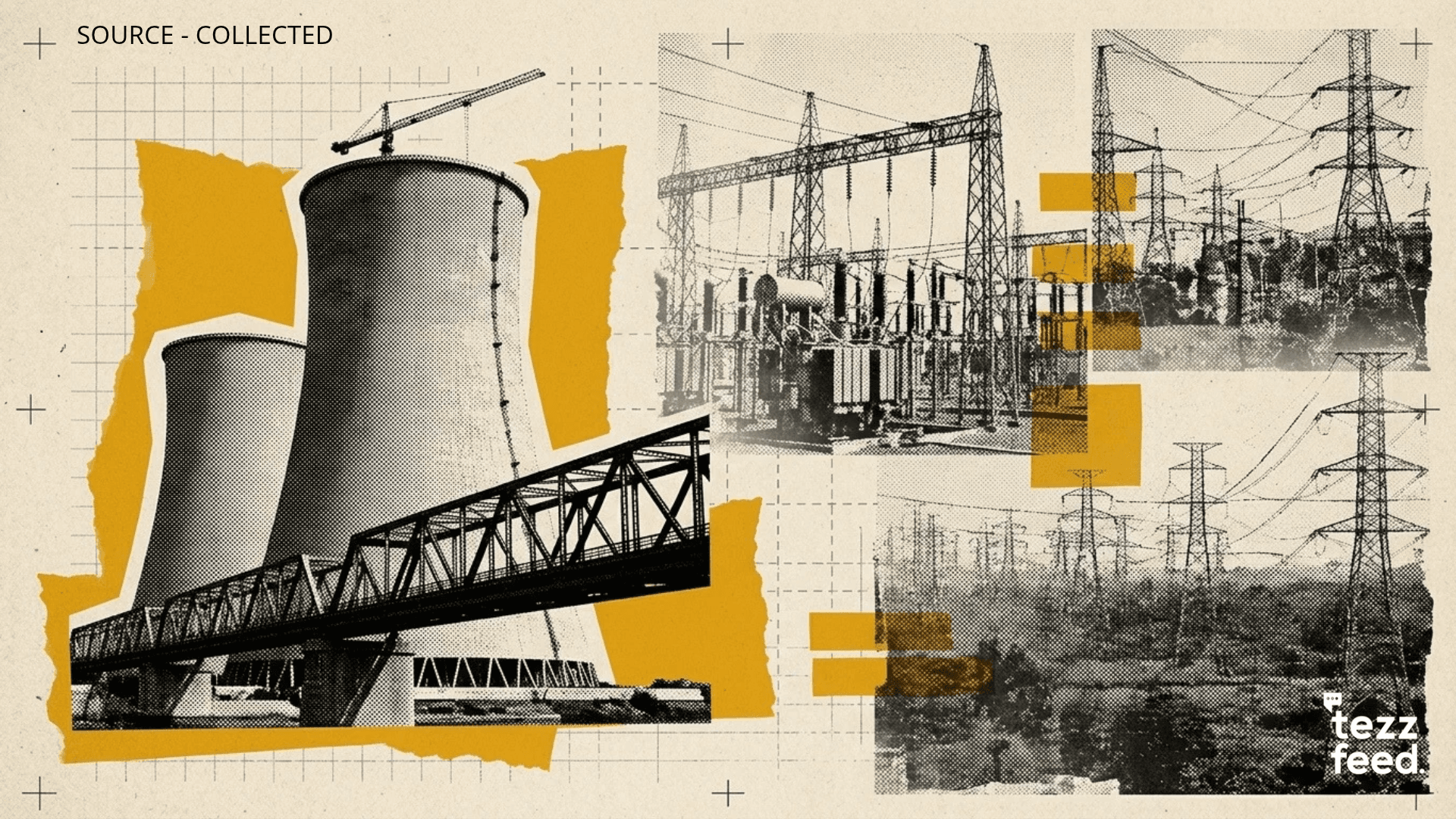
Located in Ishwardi upazila of Pabna district, the Rooppur Nuclear Power Plant is one of Bangladesh's largest infrastructure projects and the country's first nuclear electricity generation facility. The project is being implemented with technical and financial cooperation from Russia's state-owned nuclear corporation, Rosatom. Once fully operational, the two-unit facility is designed to generate approximately 2,400MW of electricity, with each reactor having a capacity of 1,200MW. The project is expected to strengthen Bangladesh's electricity supply, diversify its energy sources and reduce dependence on imported fossil fuels.
Nuclear power facilities undergo extensive testing to ensure that their reactors, turbines, cooling systems, safety mechanisms and grid connections function according to strict technical standards. The latest trial will provide engineers with additional operational data to assess the plant's performance and identify any issues requiring attention.
For Bangladesh, the continued testing of the Rooppur Nuclear Power Plant represents a significant development in its efforts to expand electricity generation capacity and introduce nuclear energy into its national power system.
While commercial operation will depend on the successful completion of all required tests and regulatory approvals, the second trial marks another milestone in the country's journey towards nuclear-powered electricity generation.