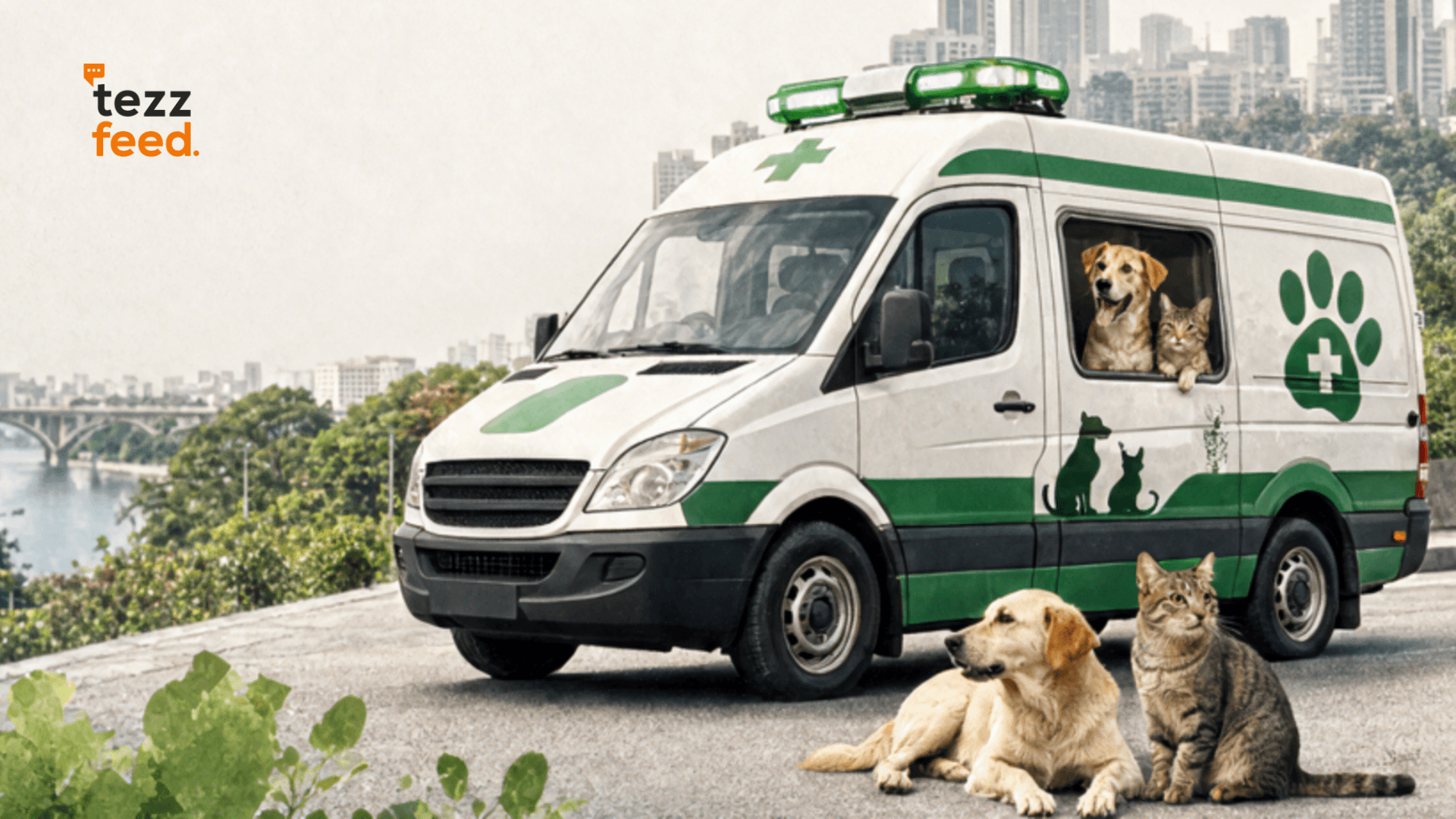
When we hear the word ambulance, most of us immediately think of a vehicle rushing through Dhaka traffic with a sick or injured person inside but Dhaka has another kind of ambulance too and that one picks up injured and sick animals.
The Bangladesh Animal Welfare Association (BAWA) operates a free animal ambulance service across the Dhaka metropolitan area. The service is meant for animals that are injured, sick or in distress, including street animals that may otherwise have nobody to take them to a vet. BAWA also runs a free animal clinic where sick and injured animals can receive treatment.
This might sound like a small thing but for a city with thousands of free roaming dogs and cats, it can be extremely important. Street animals are exposed to traffic accidents, fights, disease, abuse and injuries from construction sites. If a dog gets hit by a car in the middle of the night, there is obviously no one to put it in a family car and drive it to a veterinary hospital. Rescue groups and animal ambulances can fill that gap.
The ambulance is mainly about getting an animal to safety and medical care quickly. It does not mean that a fully equipped veterinary hospital is driving around Dhaka. The animal is usually transported to a clinic or other facility where veterinarians can examine and treat it. BAWA's service is particularly significant because it is offered free of charge which means rescuers do not necessarily have to arrange and pay for private transport themselves.
Transportation can actually be one of the biggest problems in animal rescue. Before dedicated ambulance services were available, rescuers often had to hire CNGs, cars or other vehicles. An Al Jazeera report on animal rescuers in Dhaka described how transporting rescued animals could become expensive with rescuers having to pay both the vehicle fare and waiting charges.
Animal healthcare in Dhaka has also been expanding beyond rescue groups. There are now veterinary hospitals and clinics offering emergency services while organisations such as BAWA combine rescue transportation with vaccination, sterilisation and other animal welfare programmes.
In February 2026, BAWA also opened a free animal clinic in Banani to provide medical services to animals, including strays. The clinic was presented as part of a wider effort to make veterinary care more accessible in the capital.
There are also private pet ambulance services. For example, SUSTHOTAA advertises a 24/7 pet ambulance service covering different parts of Dhaka, while veterinary hospitals such as Bangladesh Animal Care Center provide emergency veterinary care around the clock.
The existence of animal ambulances says something interesting about Dhaka. We often talk about making cities safer, cleaner and more humane for people but animals are part of the city too. Street dogs sleep beside roads, cats live around apartment buildings and birds and other animals constantly interact with the urban environment.
An animal ambulance cannot solve Dhaka's much bigger problems of animal abandonment, cruelty or overpopulation but when an injured animal is lying helpless beside a busy road, getting it from the pavement to a veterinarian is a pretty good place to start.